
CONSERVATION
Why Early Season Habitat Management Matters
Learn how small-scale habitat improvements can significantly change your hunting success this September and for years to come.
Buckeye Hunter Hub Magazine · Issue No. 2 · September 2026 · 2026-09-01
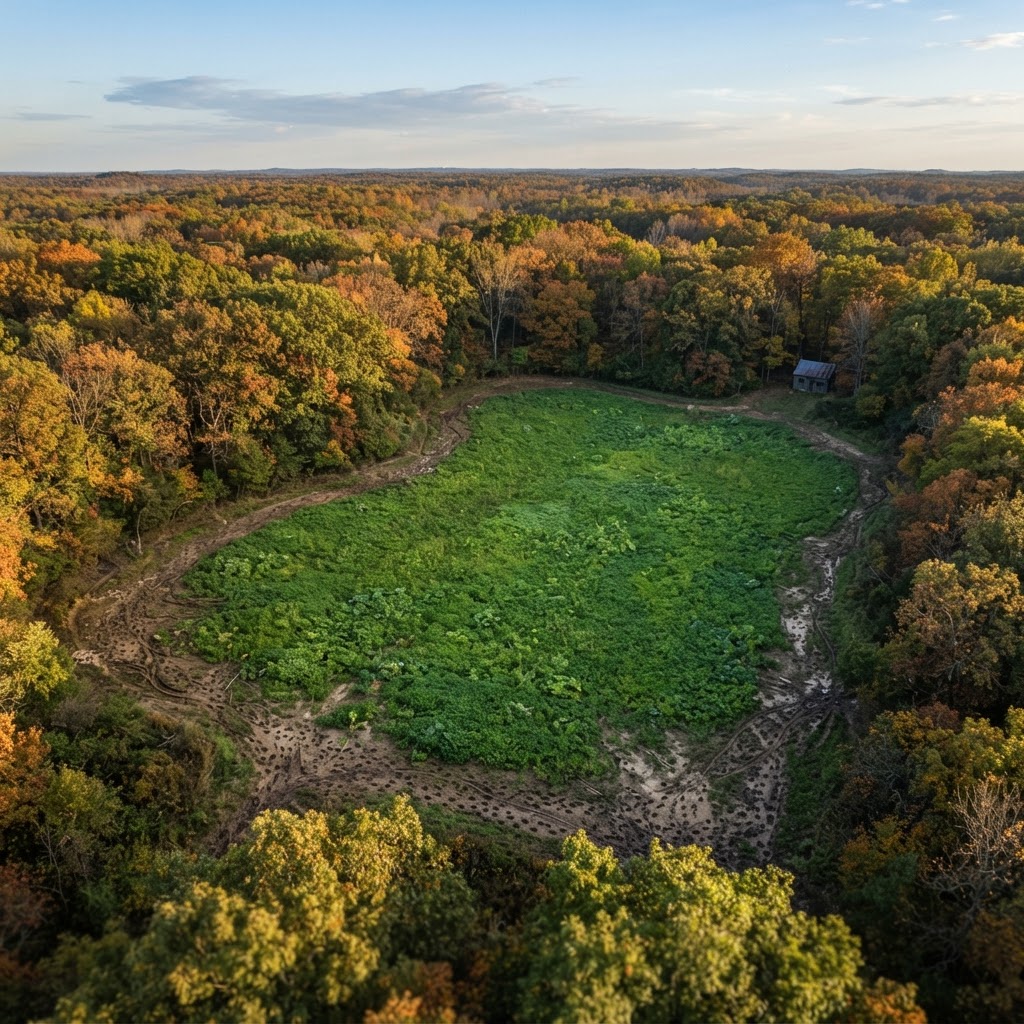
The sweltering humidity of late August has finally broken, yielding to the crisp, singular mornings that define September. If you are standing on your property today, looking at the same brushy fencerow or stagnant pond you stared at in July, you are missing the window. As the sun arcs lower and the photoperiod triggers the biological shift toward winter, wildlife begins a frantic transition. Effective wildlife habitat management is not a task for the dead of winter; it is a tactical response to the immediate needs of game as they prepare for the cold. For the landowner, the early season is the definitive time to prove that conservation for hunters is more than a slogan—it is a physical commitment to the land that pays dividends in tag-filling success.
How does habitat management affect early season deer behavior?
By early September, bucks are often velvet-free, shifting their focus from the social hierarchy of bachelor groups to the caloric intake necessary for the approaching rut. They are vulnerable, yet they are calculating. Hunting land improvement starts with understanding the transition from summer forage—lush greens and legumes—to the high-energy needs of autumn. If your property lacks a transition zone, you are likely losing deer to neighboring parcels that offer better cover. When managing native vegetation, prioritize the preservation of early successional habitats like goldenrod, blackberry brambles, and native grasses. These species offer not just nutrition, but the thermal cover required during the fluctuating temperatures of mid-September. Before you head to the stand, integrate the science of deer movement to understand how thermal shifts dictate where deer bed during the midday lull. If the temperature spikes to 80 degrees, they will be tucked deep into thick, north-facing slopes; if it drops into the 40s, they will seek the solar gain of east-facing ridges.
What are the most effective types of food plots for deer?
While perennial clover fields have their place, early season success often hinges on "micro-plots." These are small-scale, high-intensity food plots for deer that serve as staging areas between bedding and primary nighttime feeding zones. Avoid the urge to plow massive clearings. Instead, clear 1/4-acre pockets in the timber that allow for sunlight penetration. If you plant brassicas or winter rye now, you are creating a destination point that forces deer to daylight during the final hours of legal shooting time. Monitor these zones alongside your deer movement forecast to identify the specific wind directions that make these tight pockets huntable. Remember that deer are olfactory-driven; if your food plot does not allow for a clear, predictable exit strategy for the hunter, you will blow your spot within three days. For ongoing insights into regional shifts and broad-scale hunting trends, always check BHH Youth Hunters Academy.
Why is water access critical for early autumn hunting?
Water is the most overlooked element in private land conservation. During the late summer and early autumn, natural water sources like vernal pools often dry up. An animal that doesn't need to drink is an animal that stays deep in the cover. By maintaining a reliable water source—even a simple, gravity-fed trough or an improved catchment pond—you force a change in the travel patterns of local game. Place these water sources at least 150 yards from primary bedding areas. This creates an "interception point" where you can monitor activity without disturbing the core sanctuary of your woods. When selecting sites, pay attention to prevailing wind patterns using hunt mapping and wind tools to ensure your scent is pushed away from the approach path.
How can small landowners contribute to regional wildlife health?
Every property, regardless of acreage, is a piece of a larger puzzle. When you improve your land, you are alleviating pressure on local corridors. The cumulative effect of hundreds of landowners managing native vegetation creates a mosaic of habitats that can sustain a healthier, more resilient game population. As you prepare for the season, consider these concrete actions:
- Establish a 20-foot wide buffer strip of native warm-season grasses around the perimeter of every food plot to act as a noise and scent barrier.
- Identify and hinge-cut non-mast-producing timber to create immediate, low-level browse and dense escape cover.
- Clean out or repair existing water holes to ensure they are holding water during the inevitable dry spells of early September.
- Consult state hunting regulations and seasons to ensure your land-use practices comply with local statutes, particularly regarding baiting and mineral supplements.
What is the first step I should take this week?
If you want to see immediate results, stop looking at your property from a satellite view and walk it at noon. Look for the "edge of the edge." Find the intersection where a thicket meets an open field and identify the rub lines that are already appearing. The best way to prepare for the season is to refine your access routes so you can slip into your best stand without a single deer knowing you are there. This is not the time to be planting new trees or engaging in heavy machinery work; that should be reserved for the post-season. This week, focus on finesse. Clear your shooting lanes to exactly 20 and 30 yards. Check your wind-indicator deployment. Secure your gear with quick-access firearm storage to ensure your equipment remains in peak condition when the weather shifts. September is a month of preparation and anticipation; the work you do now, in the heat of the transition, is exactly what will determine the weight of your pack when the frost finally arrives.